Roger Williams (c. 1603–1683)

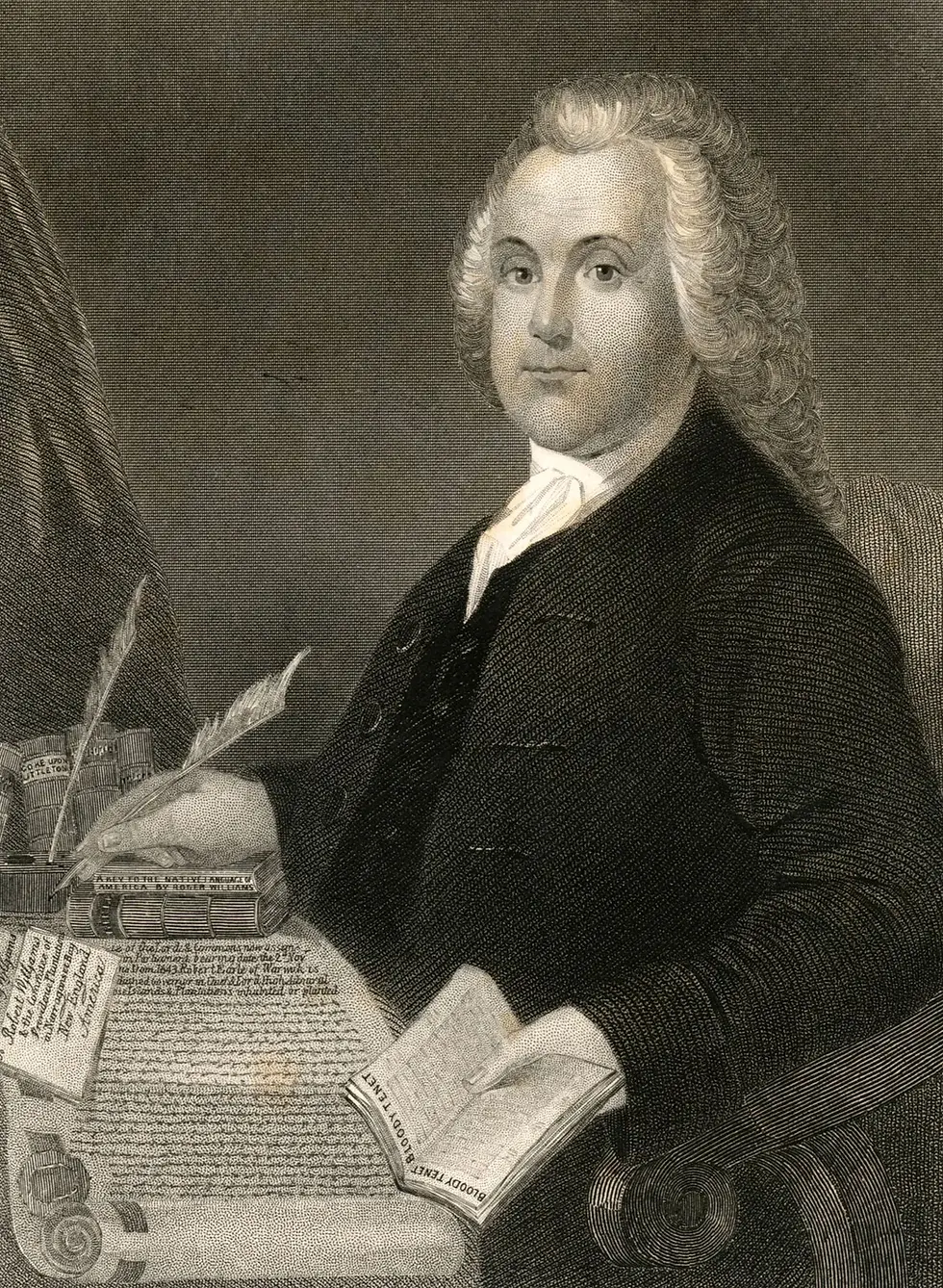
Roger Williams was a minister and theologian who understood something his age was not yet ready to hear — that a society genuinely committed to human flourishing must protect the freedom of every conscience, not just the majority's.
Arriving in New England as a Puritan with deep theological convictions, Williams nonetheless broke with the colonial establishment over a matter he considered foundational: no government, he argued, has the right to compel belief or punish those who worship differently. Faith coerced is not faith at all. Banished from Massachusetts in 1636 for these convictions, he was sheltered by the Narragansett people and went on to found Providence, Rhode Island — a colony built on the revolutionary principle that people of every religion, and none, deserved equal protection. Jews, Quakers, Catholics, and dissenters of every kind found refuge there.
Williams acted not out of indifference to truth, but out of a profound respect for human dignity and a belief that doing good in the world requires letting people be free. His stand was costly and lonely. But the seed he planted grew into one of the defining values of a nation — that every person's conscience belongs to them alone, and that protecting that freedom is among the highest goods a society can pursue.


Comments